Why Your Home Office May Need Different Window Treatment
Working from home has changed how many residential rooms are used.
A spare bedroom, study, living-room corner or dedicated workspace may now function as a professional office for several hours every day.
One problem quickly becomes noticeable:
sunlight reflected onto the computer screen.
For people searching for home office blinds Kenya, the objective should therefore be more specific than simply finding an attractive blind.
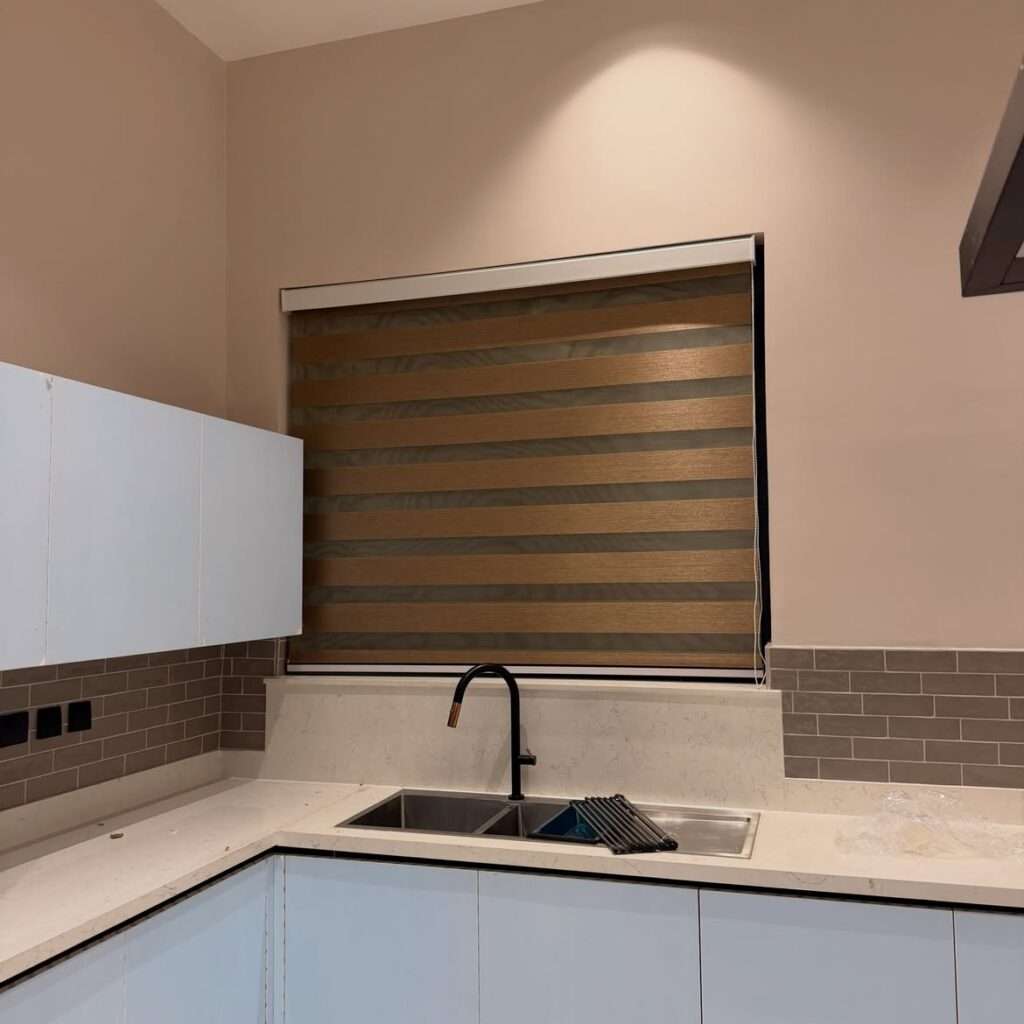
The window treatment needs to help manage daylight while keeping enough natural light in the room to prevent it from feeling unnecessarily dark.
What Causes Screen Glare?
Glare can occur when direct or reflected sunlight reaches a computer monitor.
The problem becomes more noticeable when:
- A desk faces a bright window
- Sunlight enters from the side of the screen
- The monitor is positioned opposite glass
- Afternoon sunlight is strong
- The room has highly reflective surfaces
Closing heavy curtains completely may solve the immediate problem, but it can also make the workspace unnecessarily dark.
A better approach is controlled daylight.
Why Blinds Can Work Well in Workspaces

Many blinds allow occupants to alter the amount of incoming light without completely covering the window.
This gives the user greater control over the workspace throughout the day.
For example:
Morning: allow more daylight.
Midday: reduce excessive brightness.
Afternoon: adjust the blind as sunlight changes direction.
This flexibility can be more useful than a treatment that only offers fully open or fully closed positions.
Desk Position Matters Too
Window treatment cannot solve every glare problem by itself.
Desk placement is also important.
Where possible, consider positioning the monitor so direct sunlight does not fall straight onto the screen.
The blind can then provide secondary control when natural light changes.
This combined approach can create a more comfortable working environment.
Privacy Is Another Home Office Requirement
Home offices often contain sensitive information.
The room may be visible from:
- The street
- A neighbouring apartment
- An opposite building
- A shared compound
- A walkway
A window treatment that provides adjustable privacy can therefore be useful, particularly when working with clients, financial documents or confidential business information.
Do You Need Complete Darkness?
Usually, no.
The goal of a home office is generally controlled visibility rather than complete blackout.
A workspace often benefits from some daylight because natural illumination can make the room feel more open and pleasant.
The ideal blind should therefore provide adjustable control rather than forcing the occupant to choose between extreme brightness and total darkness.
Consider the Direction of the Window
Window orientation can influence the amount of glare experienced during the day.
A room receiving strong morning sun may have a different requirement from one receiving direct afternoon sunlight.
Before selecting blinds, observe the room during working hours.
Ask:
- When does direct sunlight enter?
- Does it hit the screen?
- Does it make video calls uncomfortable?
- Is privacy needed during the day?
- Does the room become excessively bright?
This simple observation can make product selection more practical.
Home Offices in Apartments Need Special Attention
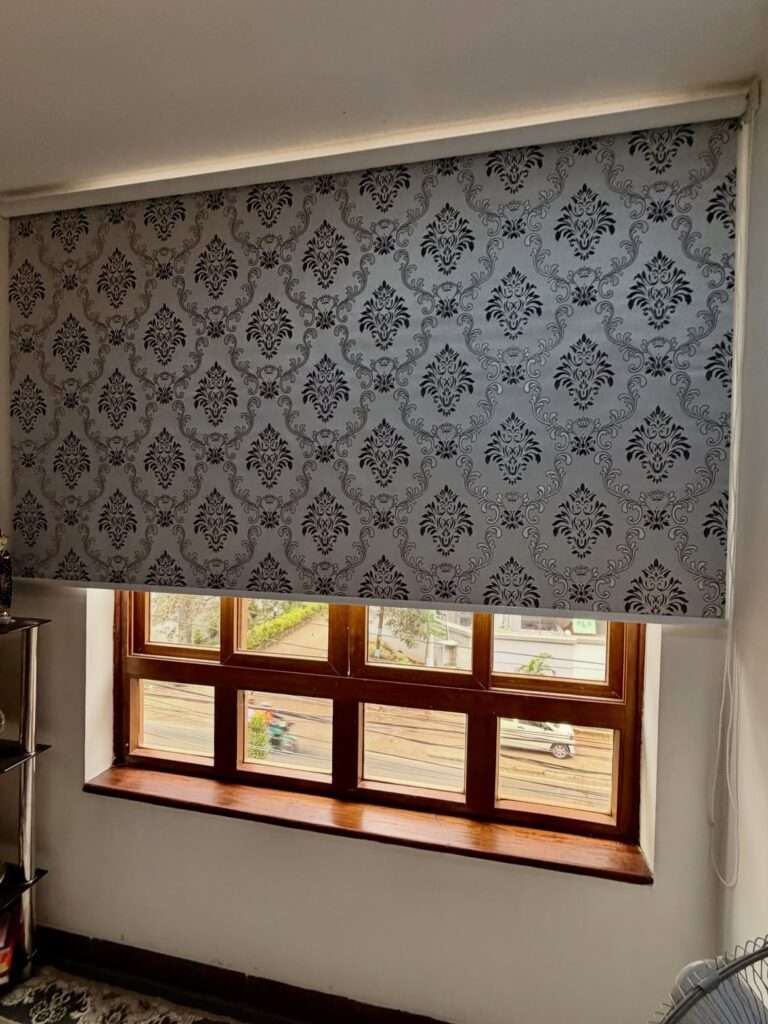
Apartment windows can be close to neighbouring buildings.
This creates a combination of daylight and privacy requirements.
A suitable blind can help maintain natural light while reducing unwanted visibility.
This can be especially useful in high-density residential developments where buildings are positioned relatively close together.
Video Calls Create Another Consideration
People working remotely often use video conferencing.
A bright window directly behind the user can create a difficult background and make the person appear dark on camera.
The window treatment can help control this contrast.
Instead of allowing uncontrolled daylight behind the user, blinds can be adjusted to create a more balanced background.
Avoid Making the Workspace Too Dark
Overcorrecting glare can create another problem.
If blinds remain completely closed throughout the day, the office may require artificial lighting even when outdoor conditions are bright.
The objective should therefore be daylight management, not simply blocking sunlight.
This is why adjustable window treatments can be valuable in home offices.
What Should You Consider Before Choosing Blinds?
Evaluate:
Window position
Where is the window relative to the desk?
Sun exposure
At what time does sunlight become strongest?
Screen position
Is the monitor facing or positioned beside the window?
Privacy
Can people outside see into the workspace?
Room size
Will a dark window treatment make the room feel smaller?
Interior design
Does the blind complement the rest of the room?
A Better Home-Office Window Strategy
A practical setup can involve:
Window assessment → desk positioning → daylight control → privacy requirement → blind selection → professional fitting
This approach solves the actual problem instead of selecting a blind purely because it looks attractive.
Suitable for Remote Workers Across Kenya
The same considerations apply to home offices in Nairobi apartments, suburban homes, gated developments and residential properties across Kenya.
As remote and hybrid work continue to influence how residential spaces are used, previously secondary rooms increasingly need professional levels of comfort and functionality.
Kalus Top Curtains and Office Blinds
Kalus Top Curtains can help homeowners select window solutions based on the way their workspace is actually used.
The aim is to balance daylight, privacy and interior appearance rather than simply covering the glass.
For a home office, the right window treatment should support the person using the room every day.
Final Thoughts

Choosing home office blinds Kenya should start with the problem you are trying to solve.
If screen glare is affecting your work, completely blocking the window may not be the best answer.
Adjustable daylight control, suitable desk positioning and privacy management can work together to create a more comfortable workspace.
The result is a home office that feels like part of the home while still functioning as a productive professional environment.
Yes. Adjustable blinds can reduce excessive daylight entering the room and help control reflections on computer screens.
Not necessarily. A workspace often benefits from natural daylight, so adjustable control can be more useful than permanent darkness.
Yes. Adjustable window coverings can help manage strong backlighting and create a more balanced visual background.
Yes. Depending on the blind type and setting, they can reduce visibility into the workspace while still allowing some daylight.
Consider the window’s sun exposure, desk position, screen glare, privacy needs, room size and preferred level of daylight.
Visit our online curtain store by clicking here
Click here to view our facebook page
Click here to view our instagram profile