A healthcare environment needs to feel organised, welcoming and practical. Patients may spend time in reception areas, waiting rooms, consultation offices and administrative spaces, each with different requirements for daylight and privacy.
For facility owners searching for clinic curtains Nairobi, the decision should go beyond choosing a colour that matches the walls. The window treatment should support the function of the room, the movement of staff and patients, and the overall appearance of the facility.
Different Clinic Areas Have Different Requirements

A clinic is not one uniform space. Its rooms may need different levels of light control and privacy.
Reception and waiting areas
Reception areas benefit from natural light when it does not create uncomfortable glare. Window coverings can help manage direct sunlight while maintaining a welcoming atmosphere.
Consultation offices
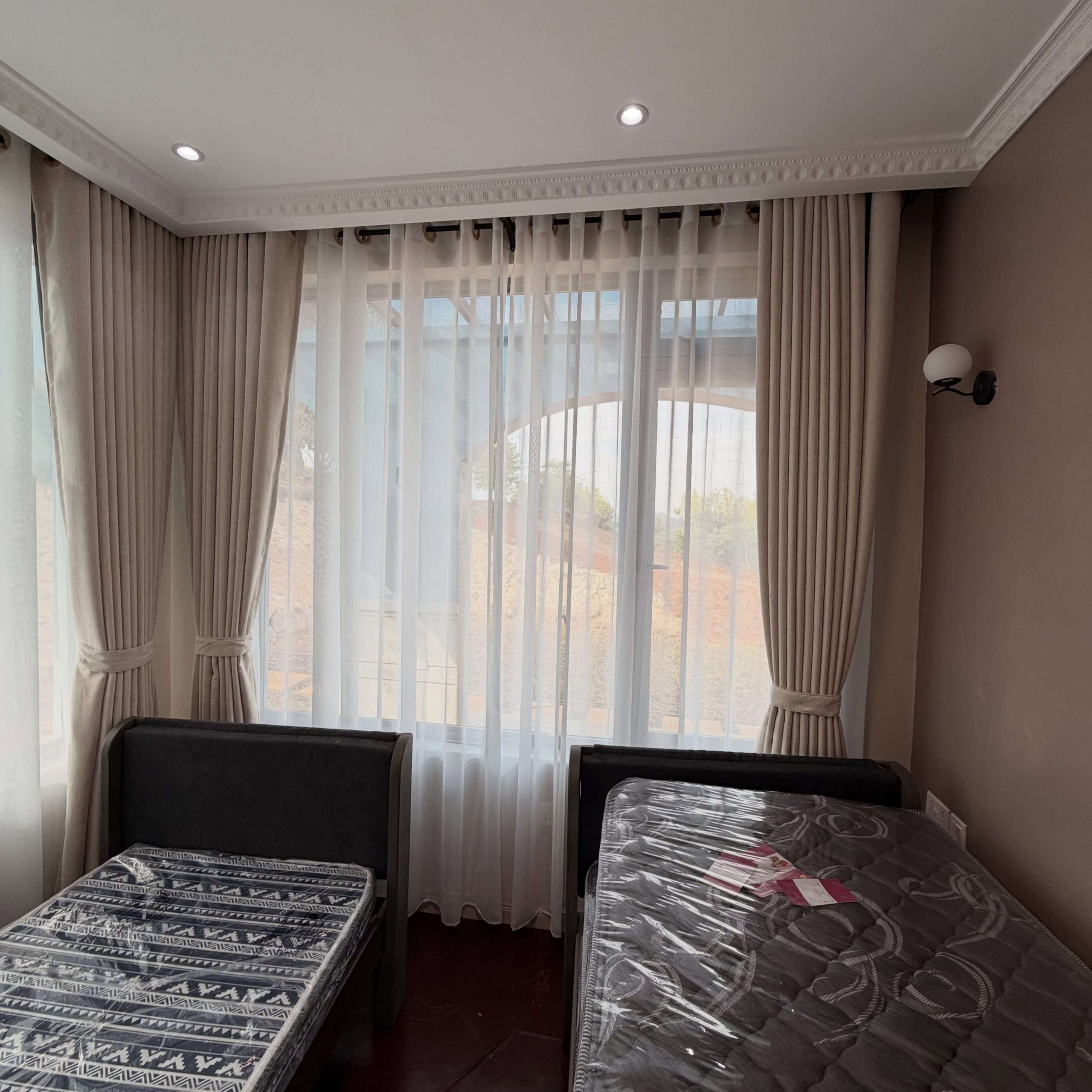
Rooms where patients speak privately with healthcare professionals may require greater visual privacy, especially where windows face corridors, neighbouring buildings or public spaces.
Administrative offices
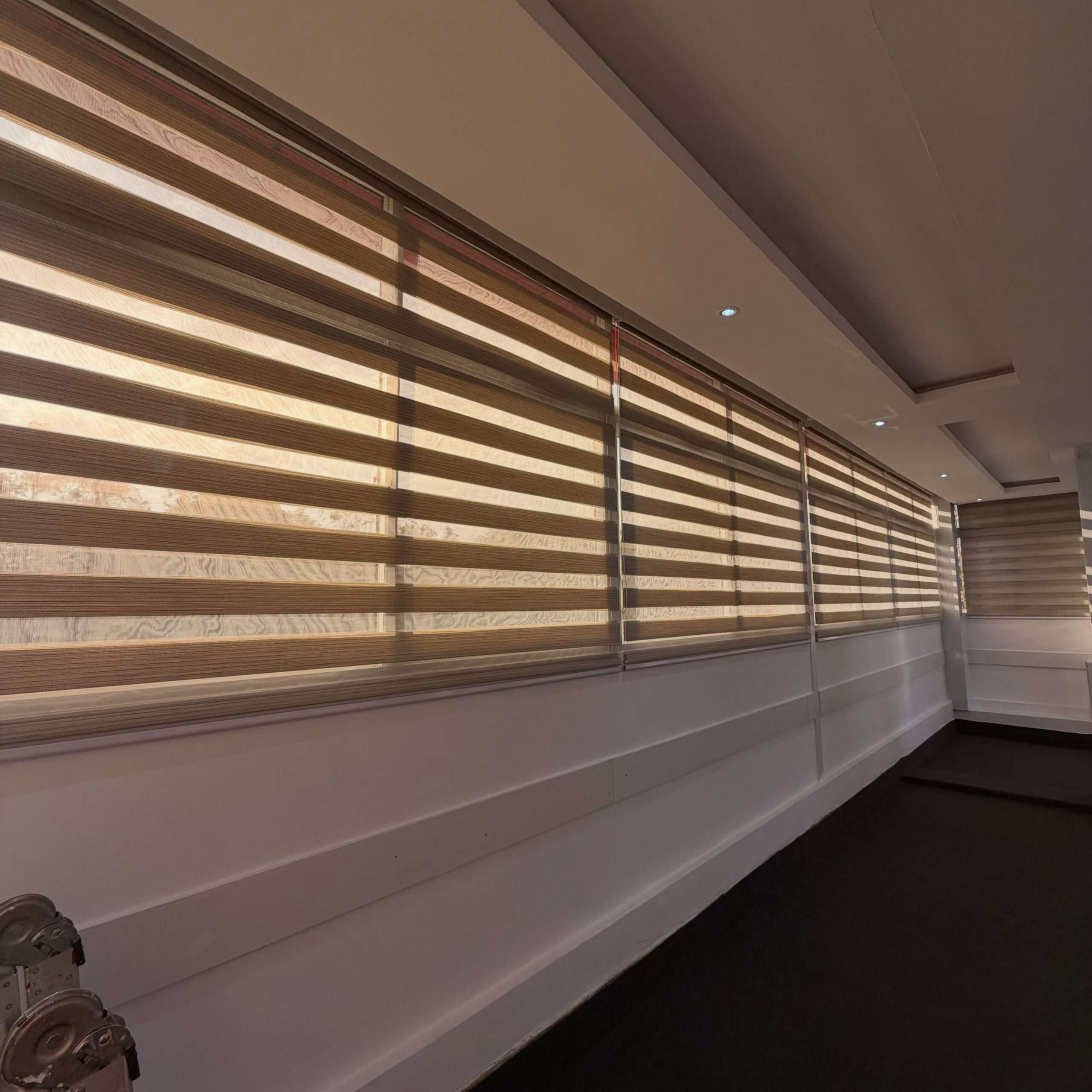
Staff working with records and computer screens may need to manage reflections and excessive brightness. Adjustable blinds can be useful where the amount of daylight changes throughout the day.
Treatment and examination rooms
These spaces require careful planning around the room’s clinical function. Ordinary decorative curtains should not be assumed to meet healthcare privacy, hygiene or infection-control requirements. Where a clinical privacy curtain or specialist treatment is required, the facility should specify the appropriate product separately.
Privacy Should Be Considered at the Planning Stage
A clinic may be located in a busy commercial building, a residential neighbourhood or a building close to other properties.
Windows facing roads, walkways and neighbouring premises can expose patients and staff to unwanted visibility.
Before choosing a covering, assess:
- Whether the window is overlooked
- Whether the room is used for private consultations
- Whether daylight must remain available
- Whether the window opens for ventilation
- Whether the covering will interfere with equipment or furniture
The correct solution depends on the use of each room rather than applying one specification throughout the facility.
Managing Daylight and Screen Glare
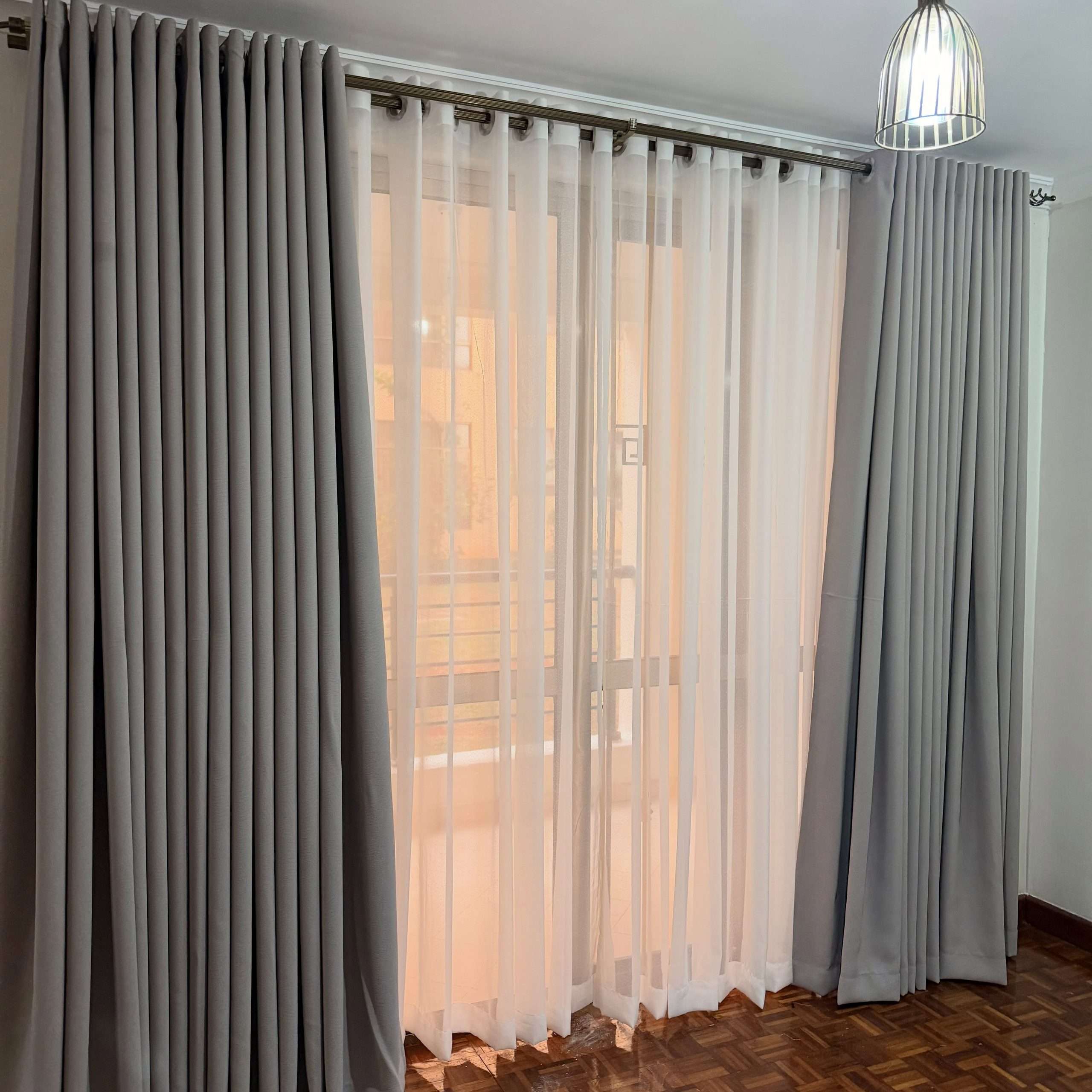
Strong sunlight can affect the comfort of patients and staff. It can also create reflections on monitors and other screens.
Blinds offer adjustable control, allowing staff to change the amount of light entering the room as conditions change.
For clinics with windows facing direct morning or afternoon sunlight, it is useful to observe the rooms at different times before selecting a product.
Choose Materials According to the Room’s Use
Fabric selection should reflect the conditions in which the window treatment will be used.
Consider:
- The manufacturer’s cleaning instructions
- How frequently the room is occupied
- Dust and ventilation conditions
- Whether the fabric is suitable for the intended environment
- The level of privacy required
- The appearance expected by patients and visitors
For clinical areas with specific hygiene standards, consult the facility’s infection-prevention requirements before specifying any fabric-based product.
A Professional Appearance Builds Confidence
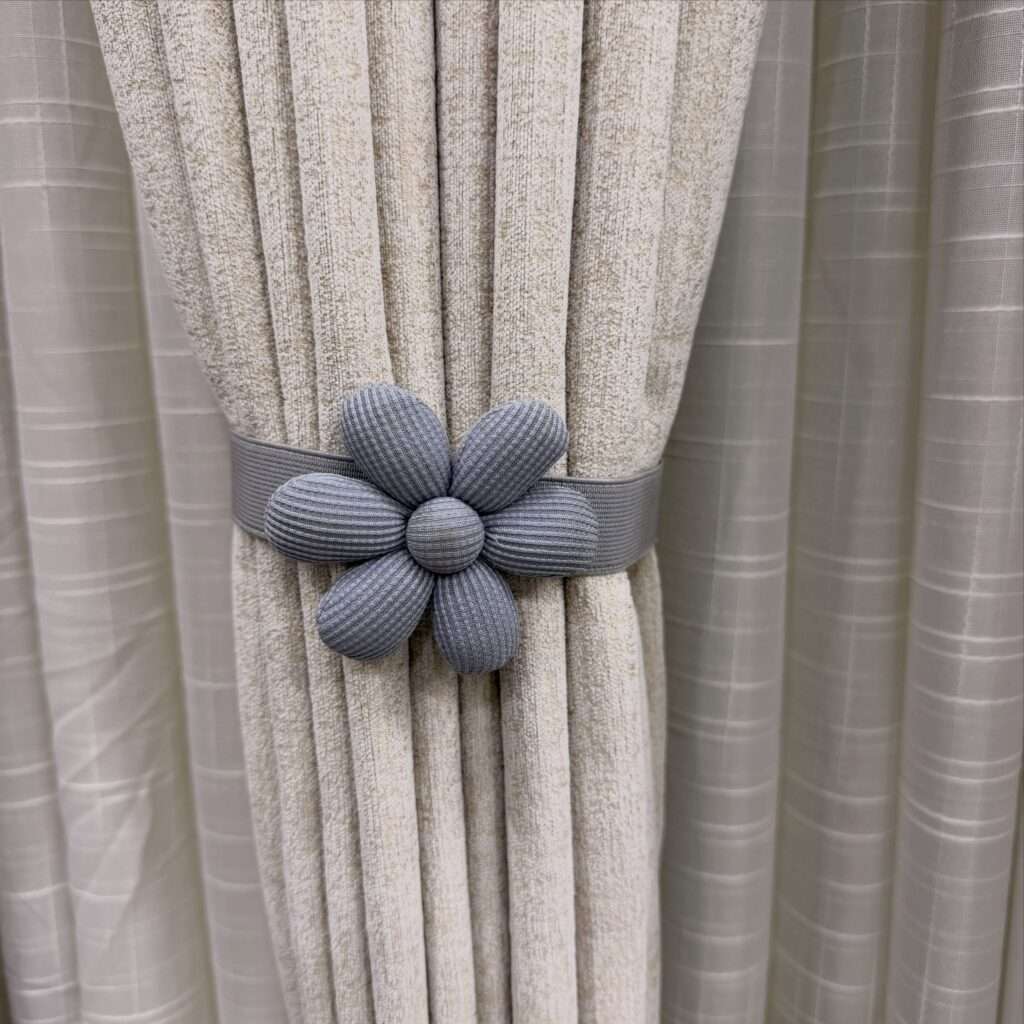
Patients form impressions of a healthcare facility from the moment they enter.
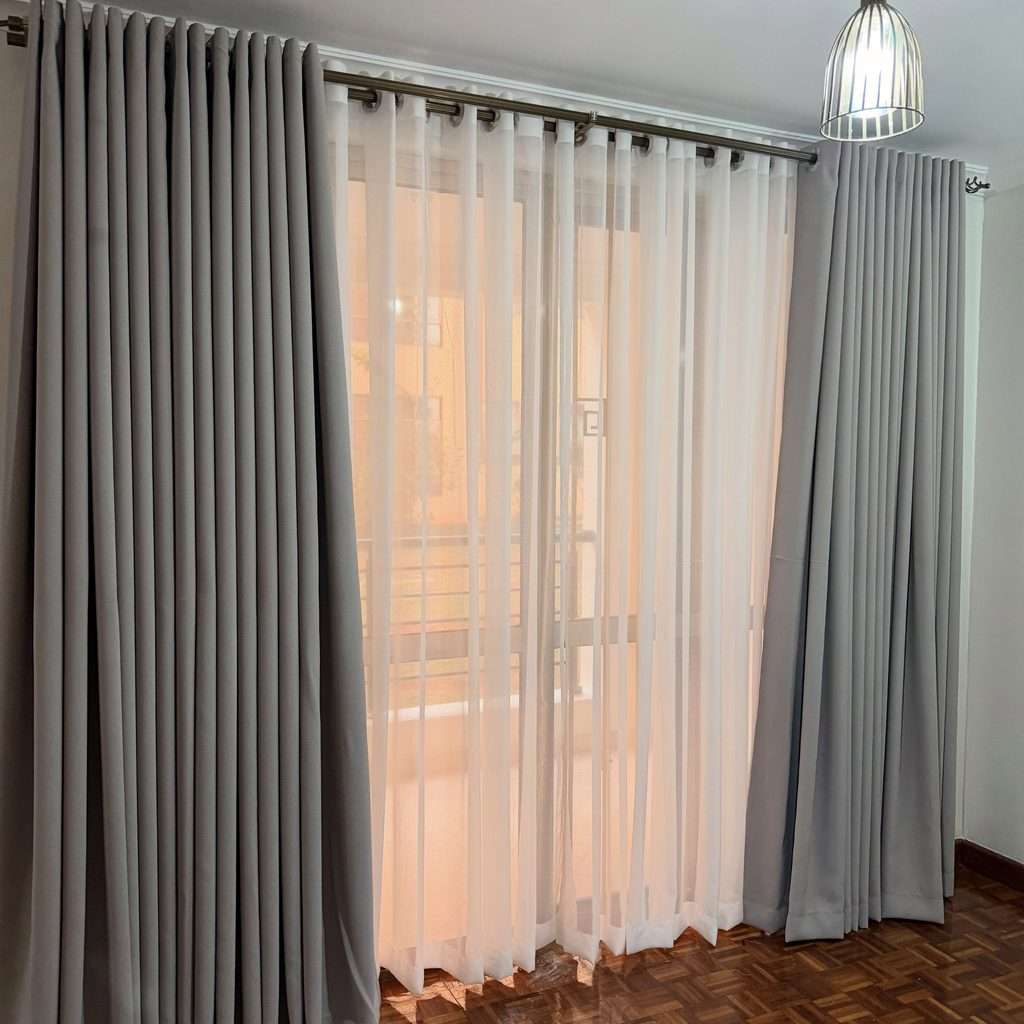
Window coverings contribute to the overall appearance of reception areas, consultation offices and waiting spaces.
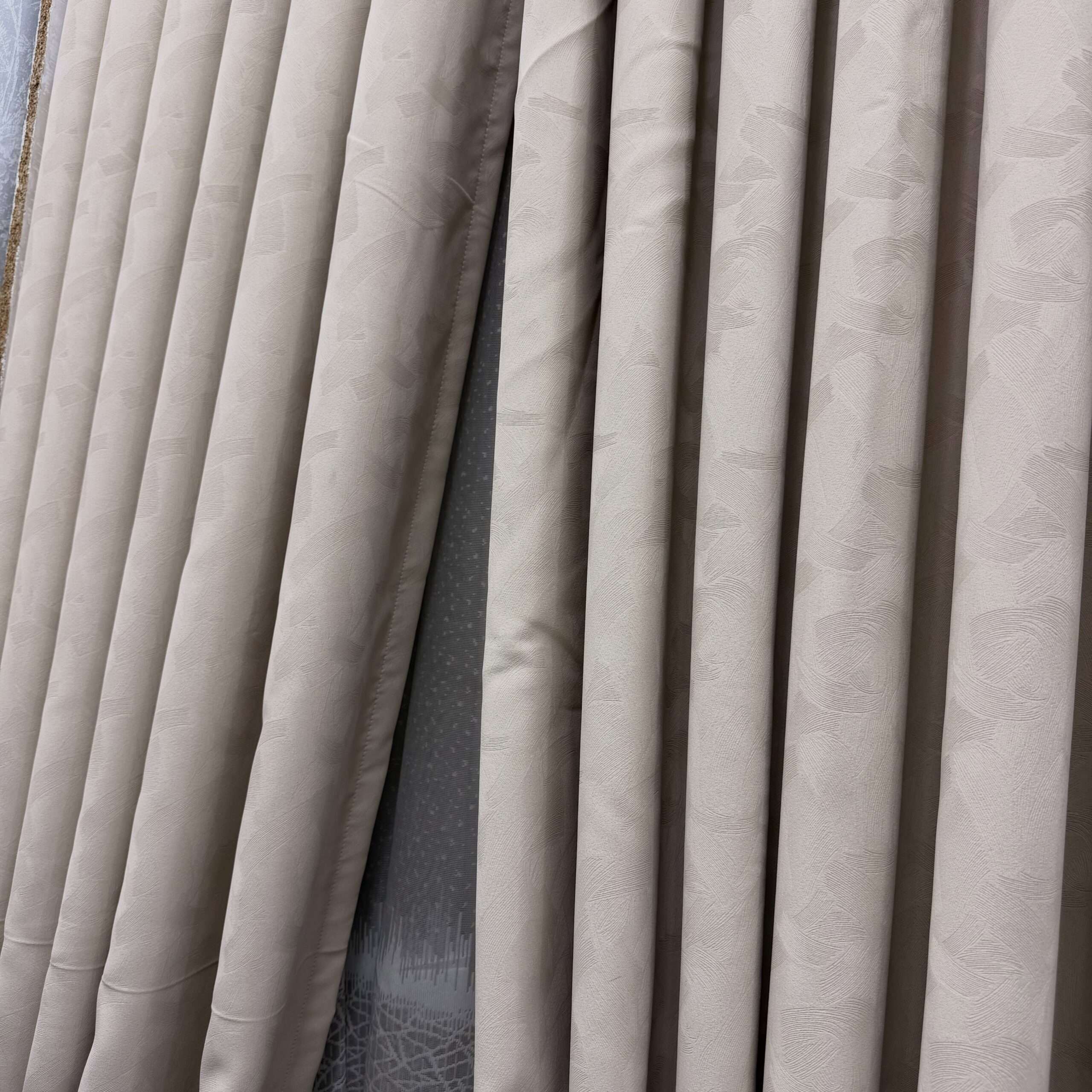
Neutral colours can create a calm appearance, while carefully selected textures can complement the furniture, flooring and wall finishes.
The objective is to create a coordinated interior without making the space feel overly decorative or difficult to maintain.
Plan Window Coverings Around Equipment and Access
Healthcare rooms may contain examination furniture, storage units, computers and specialised equipment.
A curtain or blind should not obstruct access to windows, ventilation points, switches or essential working areas.
During planning, check the position of furniture and equipment before confirming the installation arrangement.
Planning a Clinic Window Project in Nairobi
Healthcare facilities in Nairobi range from small neighbourhood practices to larger medical centres and specialist clinics.
A useful project process is:
- Identify the purpose of each room.
- Assess privacy requirements.
- Observe daylight and glare at different times.
- Check the facility’s cleaning and hygiene requirements.
- Select suitable window treatments.
- Confirm measurements and installation positions.
This avoids treating every window as if it has the same function.
Kalus Top Curtains for Clinic Window Solutions
Kalus Top Curtains provides curtain, blind, track and installation solutions for different types of interiors.
Clinic owners, contractors and interior designers can discuss the intended use of each space before selecting a suitable window treatment. For healthcare projects, any specialist clinical or hygiene requirements should be clearly identified before product selection.
Final Thoughts
Choosing clinic curtains Nairobi healthcare facilities can use effectively requires a balance of privacy, daylight control, maintenance and professional appearance.
A reception area, consultation office and treatment room do not necessarily need the same solution. Assessing each space individually helps create a more practical and coordinated healthcare environment.
Clinics should consider privacy, daylight, glare, cleaning requirements, room function and any applicable healthcare hygiene standards.
Blinds can be suitable where adjustable daylight and privacy control are needed. The choice depends on window dimensions, sunlight exposure and the reception layout.
Where windows face public areas or neighbouring buildings, suitable coverings can help reduce unwanted visibility during consultations.
Not automatically. Treatment rooms may have specific hygiene and infection-control requirements. The facility should confirm the appropriate specification before selecting a fabric product.
No. Reception areas, consultation offices, administrative rooms and treatment spaces may have different functional requirements.
Visit our online curtain store by clicking here
Click here to view our facebook page
Click here to view our instagram profile